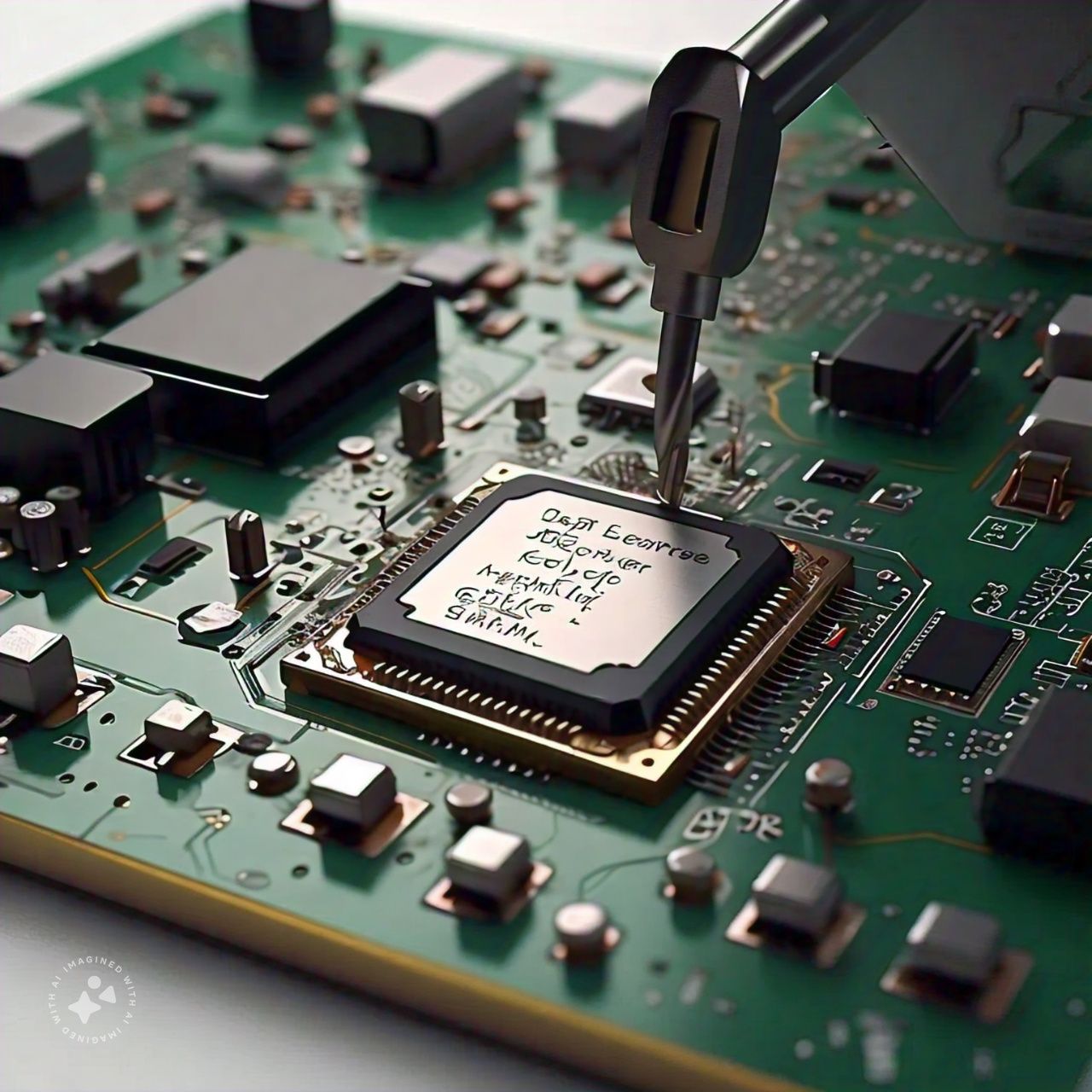
Firmware extraction from PCB (Printed Circuit Board) is a critical skill in hardware security testing and reverse engineering. This guide will walk you through the essential techniques and tools needed to successfully dump firmware from various types of memory chips.
Understanding how to extract firmware is crucial for several reasons:
Before starting the firmware extraction process, you'll need the following tools:
You'll also need specialized software for reading and analyzing firmware:
First, identify the type of memory chip on the PCB. Common types include:
"Always document the chip's part number and datasheet before attempting any extraction. This information is crucial for selecting the right programming voltage and protocol."
There are two primary approaches to firmware extraction:
This method uses a SOIC clip to connect directly to the chip while it's still on the board:
This involves physically removing the chip from the PCB:
Set up your chip programmer with the correct parameters:
flashrom -p ch341a_spi -r firmware.binThis command uses Flashrom with a CH341A programmer to read the firmware into a binary file.
Always verify your firmware dump by reading it multiple times and comparing checksums:
md5sum firmware_read1.bin firmware_read2.bin
binwalk firmware.binSolutions:
Solutions:
Once you have successfully dumped the firmware, the next step is analysis:
binwalk -e firmware.bin to
extract embedded file systemsKeep these important considerations in mind:
Firmware extraction is a valuable skill for security researchers and hardware enthusiasts. With the right tools, techniques, and patience, you can successfully dump firmware from PCBs for analysis and security assessment. Remember to always follow responsible disclosure practices when discovering vulnerabilities.
For professional firmware security assessment services, contact SecureVity's hardware security team. We provide comprehensive firmware analysis, vulnerability assessment, and secure development consultation.
Our team of experts can help secure your firmware, hardware, and embedded systems.